

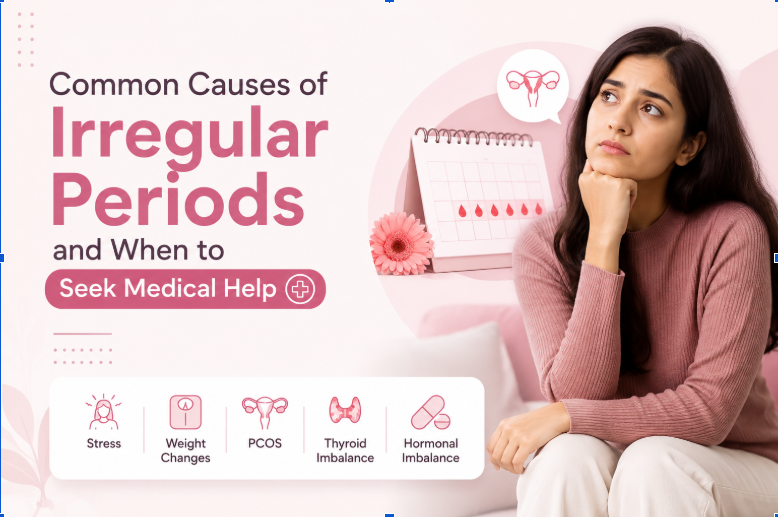
Common Causes of Irregular Periods and When to Seek Medical Help
Menstrual periods are an important indicator of a woman's overall health. While it's normal for the menstrual cycle to vary slightly from month to month, frequent changes in timing, flow or duration may indicate an underlying health condition. Irregular periods are common among women of all ages and can occur due to lifestyle changes, hormonal imbalances, stress or medical conditions.
Many women ignore irregular periods, assuming they will return to normal on their own. However, persistent menstrual irregularities should not be overlooked, as they may be linked to conditions that require medical attention. Early diagnosis and timely treatment can help prevent complications and improve reproductive health.
In this blog, we will discuss the common causes of irregular periods, the symptoms to watch for, when to seek medical help and the treatment options available to restore a healthy menstrual cycle.
1. What Are Irregular Periods?
A normal menstrual cycle usually lasts between 21 and 35 days, with bleeding lasting 2 to 7 days. Every woman's cycle is different, but it generally follows a regular pattern.
Periods may be considered irregular if you experience:
- Cycles shorter than 21 days or longer than 35 days
- Missed periods without pregnancy
- Heavy or very light bleeding
- Bleeding between periods
- Periods that occur at different times each month
- Bleeding lasting longer than seven days
- Severe pain during menstruation
Occasional changes may not be a cause for concern, but frequent irregularities should be evaluated by a healthcare professional.
2. Common Causes of Irregular Periods
Hormonal Imbalance
Hormones play a vital role in regulating the menstrual cycle. An imbalance in hormones such as estrogen and progesterone can interfere with ovulation, resulting in irregular periods.
Hormonal imbalances may occur due to:
- Puberty
- Perimenopause
- Thyroid disorders
- Polycystic Ovary Syndrome (PCOS)
Other symptoms include:
- Acne
- Weight gain
- Mood changes
- Hair thinning or excessive facial hair
- Difficulty conceiving
Polycystic Ovary Syndrome (PCOS)
PCOS is one of the most common causes of irregular periods in women of reproductive age. It is a hormonal disorder that affects ovulation and can lead to infrequent or absent periods.
Common symptoms include:
- Irregular or missed periods
- Weight gain
- Excess facial or body hair
- Acne
- Ovarian cysts
- Difficulty becoming pregnant
Stress
Physical and emotional stress can significantly affect the hormones responsible for regulating the menstrual cycle.
Stress may result from:
- Work pressure
- Family responsibilities
- Emotional trauma
- Lack of sleep
- Major life changes
Sudden Weight Changes
Both rapid weight gain and sudden weight loss can affect hormone production. Maintaining a healthy weight through a balanced diet and regular physical activity can help regulate menstrual health.
Thyroid Disorders
Both hypothyroidism and hyperthyroidism can lead to menstrual irregularities.
Symptoms include:
- Fatigue
- Weight changes
- Hair loss
- Sensitivity to heat or cold
- Mood changes
- Irregular periods
Excessive Exercise
Excessive physical activity without proper nutrition can disrupt hormone levels, especially among athletes, dancers, runners and women following intense fitness routines.
Certain Medications
Some medications including hormonal contraceptives, blood thinners, antidepressants, steroids and chemotherapy drugs may affect the menstrual cycle.
Pregnancy
A missed period is often one of the earliest signs of pregnancy. Other symptoms include nausea, breast tenderness, fatigue and frequent urination.
Perimenopause
Women approaching menopause often experience changes in their menstrual cycle due to fluctuating hormone levels.
3. When Should You Seek Medical Help?
Consult a healthcare professional if you experience:
- Periods that stop for more than three months without pregnancy
- Extremely heavy bleeding
- Bleeding between periods
- Severe pelvic pain
- Cycles shorter than 21 days or longer than 35 days
- Bleeding lasting more than seven days
- Frequent irregular periods for several months
- Difficulty conceiving
- Symptoms of hormonal imbalance such as excessive hair growth or persistent acne
4. Treatment Options for Irregular Periods
Lifestyle Changes
- Maintain a healthy body weight
- Eat a balanced and nutritious diet
- Exercise regularly without overtraining
- Manage stress through relaxation techniques
- Get enough sleep every night
Medications
Depending on the diagnosis, your doctor may prescribe hormonal medications, birth control pills, thyroid medications, medicines for PCOS or other treatments based on your condition.
Treatment for Underlying Medical Conditions
Treating conditions such as PCOS, thyroid disorders, uterine fibroids, endometriosis and other hormonal disorders often helps restore a healthier menstrual cycle.
5. Lifestyle Tips to Help Regulate Your Periods
Eat a Balanced Diet
Include fresh fruits, green leafy vegetables, whole grains, lean proteins, healthy fats and plenty of water. Limit processed foods and sugary drinks.
Stay Physically Active
Aim for at least 150 minutes of moderate exercise each week such as walking, cycling, swimming or yoga. Avoid excessive exercise.
Manage Stress
Practice meditation, deep breathing, yoga, spend time with loved ones and enjoy hobbies to reduce stress.
Maintain a Healthy Weight
Both being underweight and overweight can contribute to irregular periods. A healthy weight supports proper hormone function.
Get Enough Sleep
Adults should aim for 7–9 hours of quality sleep every night to help regulate hormones and support menstrual health.
Conclusion
Irregular periods are common, but they should not be ignored if they occur frequently or are accompanied by other symptoms. Hormonal imbalances, PCOS, thyroid disorders, stress, sudden weight changes, excessive exercise and certain medical conditions are among the most common causes.
The good news is that many causes of irregular periods can be successfully managed with early diagnosis, healthy lifestyle changes and appropriate medical treatment. Paying attention to your menstrual cycle and seeking timely medical advice can help protect your reproductive health and improve your overall well-being.
Frequently Asked Questions (FAQs)
1. What are the most common causes of irregular periods?
Hormonal imbalances, PCOS, stress, thyroid disorders, sudden weight changes, excessive exercise, pregnancy and certain medications.
2. When should I see a doctor?
If your periods are consistently irregular, very heavy, last longer than seven days, stop for more than three months or are accompanied by severe pain.
3. Can stress cause irregular periods?
Yes. Physical and emotional stress can affect hormone levels and delay ovulation.
4. Can irregular periods affect fertility?
Yes. Irregular ovulation can make conception more difficult, but early treatment can improve fertility outcomes.
5. Can lifestyle changes help regulate periods?
Yes. A healthy diet, regular exercise, stress management and adequate sleep can help regulate menstrual cycles.
6. Can PCOS cause irregular periods?
Yes. PCOS is one of the leading causes of irregular periods and may also cause acne, weight gain, excessive hair growth and difficulty becoming pregnant.